

Morgan Stanley completed the full rollout of spot crypto trading on E*TRADE, making Bitcoin, Ethereum, and Solana available to all 8.6 million eligible clients. The integration, powered by Zero Hash, charges a 50 basis point trading fee. The launch follows a pilot program launched in May and positions Morgan Stanley as a major competitor to Charles Schwab and Fidelity in retail crypto trading.
How the rollout works
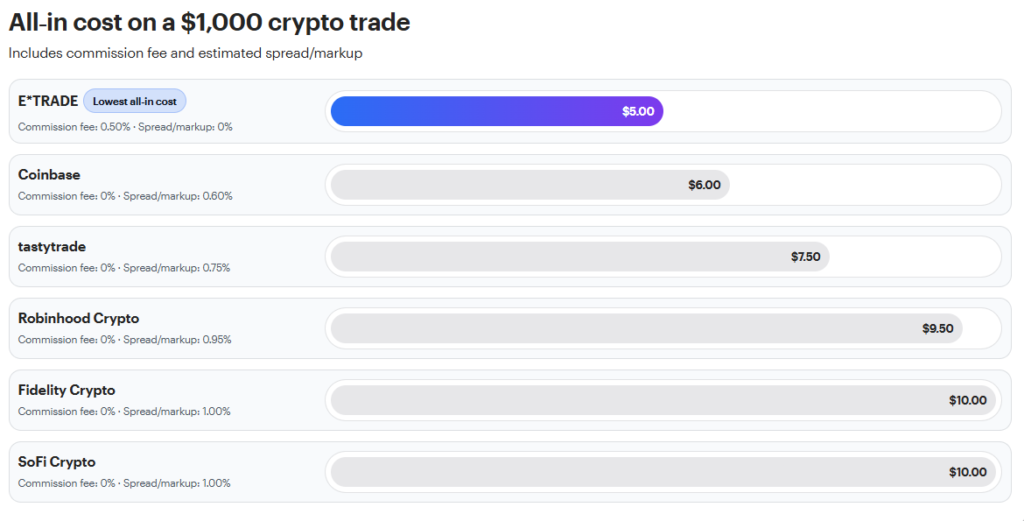
The integration is powered by Zero Hash, which handles liquidity, custody, and settlement behind the scenes. Clients can trade 24/7 immediately, with a trading fee of 50 basis points.
One notable limitation: crypto transfers on and off the platform won’t be available until later this year. For now, what you buy on E*TRADE stays on E*TRADE. Morgan Stanley first announced its crypto trading plans in September 2025, launching a pilot program in May 2026 to stress-test the infrastructure before opening to all clients.
Competitive implications
By finishing this rollout, Morgan Stanley is officially throwing down the gauntlet and becoming a big competitor in the retail crypto trading scene. While Charles Schwab has been dropping hints about their own crypto plans for a while now, and Fidelity has already started offering Bitcoin trading, this move really changes the landscape.
Morgan Stanley getting this over the finish line puts some serious heat on all the other big brokerages that are still sitting on the sidelines. That 50 basis point fee is definitely going to be something everyone watches closely.
Since you can’t move your coins off the platform just yet, it’s pretty clear this is aimed at investors who just want some quick exposure to the market rather than the hardcore crowd looking for self-custody or diving deep into decentralized finance (DeFi).
The custodial concentration risk
One underappreciated aspect of this rollout is the concentration risk it creates. Zero Hash, a relatively small infrastructure provider, now serves as the custodian and settlement layer for potentially millions of E*TRADE clients’ crypto holdings.
For instance, any technical disruption or regulatory action at Zero Hash would reverberate across a meaningful chunk of retail crypto exposure. This is the kind of systemic risk that institutional crypto bulls tend to underweight.
While Morgan Stanley’s brand provides trust, the actual custody is outsourced to a third party not subject to the same regulatory scrutiny as a national bank.
For the average retail investor, this may not matter. But for those tracking the maturation of crypto infrastructure, it’s a structural vulnerability worth watching. As more and more brokerages jump on the bandwagon after Morgan Stanley, having so much custody concentrated with just a few providers is going to turn into a pretty systemic issue.