
Trump Media announced it will launch Truth Application Programming Interface (API) on August 1, a paid data feed giving Wall Street firms “licensed, real-time access to posts from the highest-ranking Truth Social accounts.” The service delivers posts to customers in milliseconds and is designed for firms “most impacted by the cost of a delay in information.” “Markets already move on Truth Social posts,” said interim CEO Kevin McGurn.
How Truth Social API works
The API provides real-time access to posts from the platform’s top 10 trending accounts, including President Trump (@realDonaldTrump), the White House, FBI Director Kash Patel, and Health Secretary Robert F. Kennedy Jr.
Firms have been scraping Truth Social data for months in violation of its terms of service, McGurn said. “We’re going to create a lot of friction for those folks that aren’t coming to us directly.” The company plans to expand the API to more accounts for customers willing to pay more.
Market impact and revenue opportunity
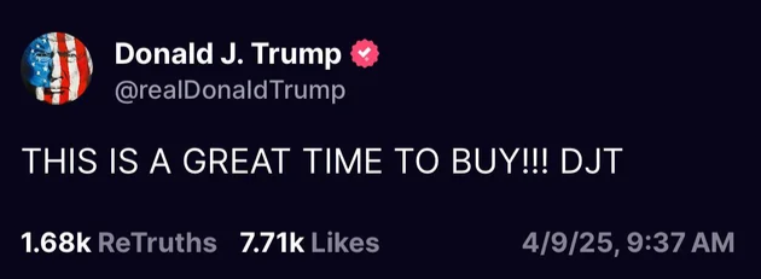
To this point, it is well known that President Trump’s Truth Social posts have repeatedly moved markets; everybody knows, and it also serves Trump’s purposes. For example, in 2025, a post saying “THIS IS A GREAT TIME TO BUY!!!” preceded a 90-day tariff pause. Posts about Iran and the Strait of Hormuz have moved oil markets more than the war itself.
By launching this API, Trump Media is stepping into the ring with heavyweights like Bloomberg and Reuters. Even though they reported a $712 million net loss on $3.68 million in revenue for 2025, they are already exploring new revenue streams, such as licensing Truth Social data to train AI models.
The ethics and governance question
The Truth API launch is stirring up some serious concerns regarding ethics and governance. Basically, critics are arguing that the service is just a way to cash in on public office for personal benefit. Since the president is the majority shareholder in the company and uses the platform for official announcements, selling fast-track access means he has a direct financial incentive tied to when and what he communicates.
Kathleen Clark, a government ethics expert, called it “yet more brazen corruption, an improper exploitation of government power to enrich himself.” Virginia Canter of the Democracy Defenders Fund echoed this, saying the president “has an obligation to the American people to convey information to them publicly, and he’s now funneling it through a private channel in which he has a private interest as one of its largest shareholders.”
The situation sets a precedent for how personal social media platforms can be monetized at the intersection of politics and high-speed finance.