
Curve Finance just launched Llamalend v2 on Optimism. It’s a big update that turns their lending protocol into an open platform for any asset pair. Now, you can use your Curve Liquidity Provider (LP) tokens as collateral while still bagging those trading fees. Plus, they have added isolated risk markets and range-based liquidations to keep things stable and avoid messy sell-offs.
What is Llamalend v2 all about?
Llamalend v1 was built around one idea: borrow crvUSD against collateral. And it worked, but it was kind of narrow. V2 tears down that wall. Now, with Decentralized Autonomous Organization (DAO) approval, markets can be created using any supported asset on both sides: collateral and borrowed.
For instance, an issuer can build trading liquidity on Curve, then create a lending market around the same asset. The decentralized exchange (DEX) and lending market become parts of the same usage loop.
The second major change: LP tokens as collateral. A user can provide liquidity to a Curve pool, keep earning trading fees, and borrow against that position, all at the same time. Capital is no longer locked into one role.
The third change: isolated risk. In this case, each market carries its own collateral asset, borrowed asset, oracle setup, borrow caps, and risk parameters. For example, a stablecoin market and an ETH market shouldn’t be managed with the same assumptions. Here, Llamalend v2 keeps them separate.
Where is Curve Finance heading?
Well, Curve has always been the DEX for stable swaps and efficient liquidity. But decentralized finance (DeFi) is evolving. Lending and trading are merging. Curve’s answer is Llamalend v2: a lending framework that sits directly on top of Curve’s liquidity layer.
Asset issuers now have a clearer path: “build a Curve pool first, then launch a lending market.” If an asset can get a lending market approved, it’s quite a strong signal that its onchain market has matured.
In simple words: for the Curve DAO, these new markets mean more fees for the treasury. But for everyday users, it’s all about making money work harder. LP tokens can now multitask (earning fees and backing loans at the same time). This looks more than just a tweak; let’s say it’s a whole new way for the platform to work.
What does this mean for the DeFi ecosystem?
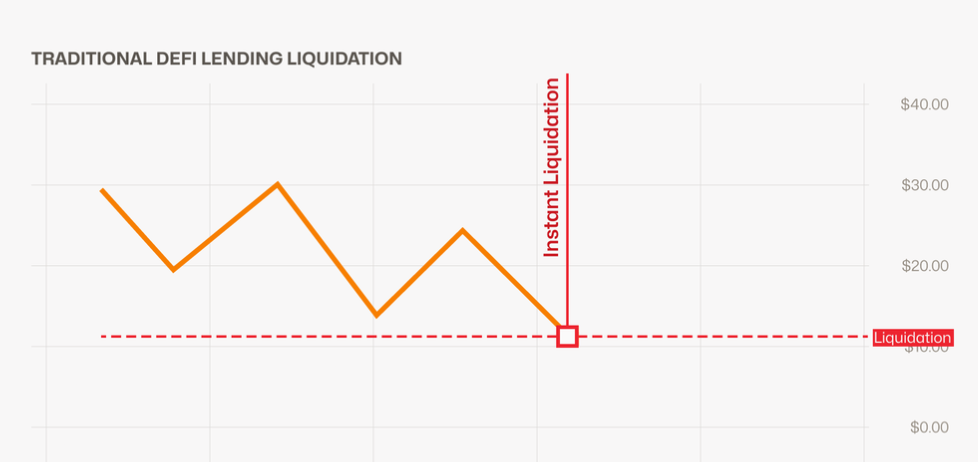
The timing is pretty spot on. We’ve seen lately how risky those old-school liquidation models can be. Usually, when your collateral hits a certain price, everything just gets sold off at once, which creates a massive mess of selling pressure. Llamalend’s “LLAMMA” system changes the game: instead of one big crash, it slowly swaps your collateral as prices shift. Borrowers get more time to react, and liquidations don’t cascade.
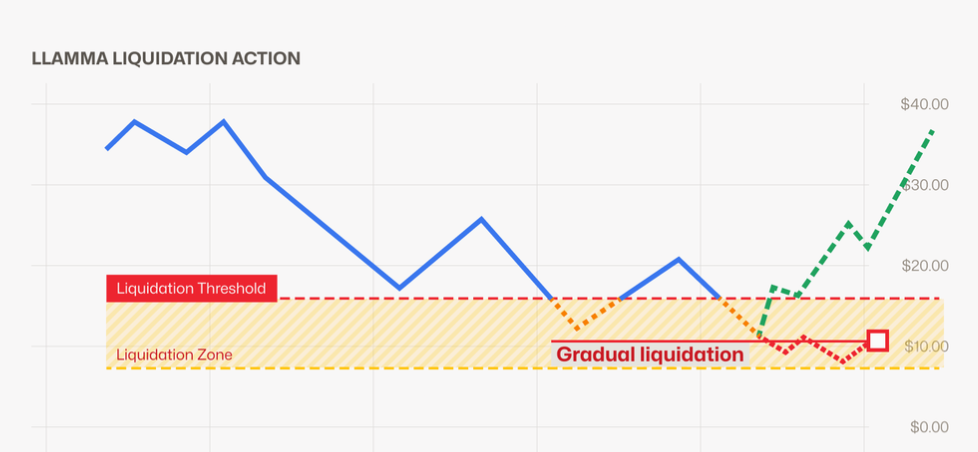
With v2, that design now applies to all assets, not just crvUSD. Launching on Optimism is a smart move too; it’s cheaper, faster, and a great place to test things out before moving to the Ethereum mainnet later this year. Plus, the Optimism Foundation is backing them with a 250,000 OP grant. If things go well here, expect to see Curve lending markets popping up all over the place soon.