
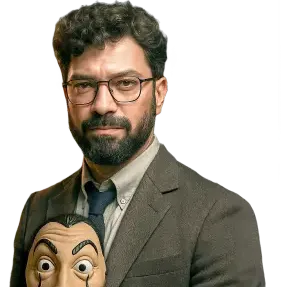
The crypto market is gearing up for a possible shift in the macro environment as Kevin Warsh has been confirmed as the new chair of the U.S. Federal Reserve.
The U.S. Senate voted unanimously on Wednesday to appoint Kevin Warsh as the new chair of the Federal Reserve Board, giving him powers to head the U.S. central bank during one of its most crucial periods from both economic and financial perspectives.
The new chair will have to deal with the current uncertainties about rates and inflation. He will succeed Jerome Powell and will face an ongoing task to ensure that the Fed’s interests do not contradict the U.S. political scene, as President Donald Trump continues to call for a decrease in interest rates in order to stimulate growth.
At the same time, the international market is responding to rising energy prices amid the Iran-U.S. standoff, which creates additional uncertainty in the market and leads to speculations that the Fed may consider keeping rates high for more extended periods or implementing a tightening policy during the upcoming year.
Currently, the Fed’s benchmark interest rate is in the 3.50 percent-3.75 percent range, and markets are closely analyzing every hint from policymakers for clues about the next move.
The Senate had already approved Warsh on Tuesday for a 14-year term as a Federal Reserve governor, and Wednesday’s vote finalised his path to also serve a concurrent four-year term as chair.
He will formally take over both roles once all remaining administrative paperwork is signed off by the White House. Outgoing chair Jerome Powell is expected to complete his term on Friday, marking the end of his leadership and the beginning of a new phase for the Fed.
Warsh has made clear that he intends to shift the central bank’s direction. He has described his approach as a “regime change” at the Fed, suggesting closer coordination with the U.S. Treasury Department and the Trump administration on broader economic and non-monetary policy areas.
He has also argued in favour of shrinking the Fed’s balance sheet, saying a leaner structure could help bring down long-term policy rates and improve overall market functioning and efficiency.
What do experts have to say?
The Fed plays a key role in how investors gauge their participation in crypto markets. A dovish Fed usually raises appetite for riskier assets. But a constant rise in interest rates puts pressure on Bitcoin prices.
Warsh’s nomination comes at a time when the confusion around Fed’s future trajectory has been sky high.
Bitunix analysts quote, “Market expectations regarding the Federal Reserve’s policy path are beginning to shift materially. Interest-rate futures are once again repricing the possibility of future rate hikes, with some expectations now emerging for additional tightening before year-end. Federal Reserve officials have also adopted a noticeably more hawkish tone.”
They add, “BTC continues to trade in a consolidation range, but broader market structure may increasingly face pressure from the combination of “higher-for-longer interest rates” and renewed U.S. dollar strength. If oil prices and inflation remain elevated, Treasury yields and the dollar could continue climbing, compressing overall risk appetite across financial markets.”
What is in for crypto markets?
Macro factors have already pierced in months of gains in crypto markets making the industry heavyweights trading significantly downwards.
However, the change at the top of the Federal Reserve is likely to be a key signal for the sector and the larger financial diaspora as it will impact policy, economic outlook, regulations and approvals in the future.
A crypto friendly chair can likely uplift the sector’s growth but a rather unsupportive stance can see delays in essential growth markers something the market witnessed with the approval for Bitcoin ETFs.
Kevin Warsh is not an overtly dogmatic “pro-crypto” supporter but is viewed right now as “crypto-literate” and pro-innovation. He has praised Bitcoin as a store of wealth (“new gold”) for younger generations, but dismissed many projects as being useless.
But he supports a “pro-innovation, anti-speculation” position, preferring monetary discipline to the encouragement of speculative, high-leverage crypto platforms.