


Per a NYT report, OpenAI is leaning toward delaying its initial public offering (IPO) until next year (or even 2028), after advisers cautioned that a $1 trillion valuation may be difficult to achieve. The ChatGPT maker had previously targeted a Q3/Q4 2026 debut, but SpaceX’s post-IPO volatility and choppy global markets have given executives pause.
The SpaceX example
Top of mind for OpenAI’s advisers is what happened to Elon Musk’s SpaceX after its record IPO this month. The company raised more than $85 billion at a $1.77 trillion valuation on debut, the largest IPO ever. Since then, shares have slid to $153 at the time of writing, and after reaching a high of $202 last week, a 24 percent drop.
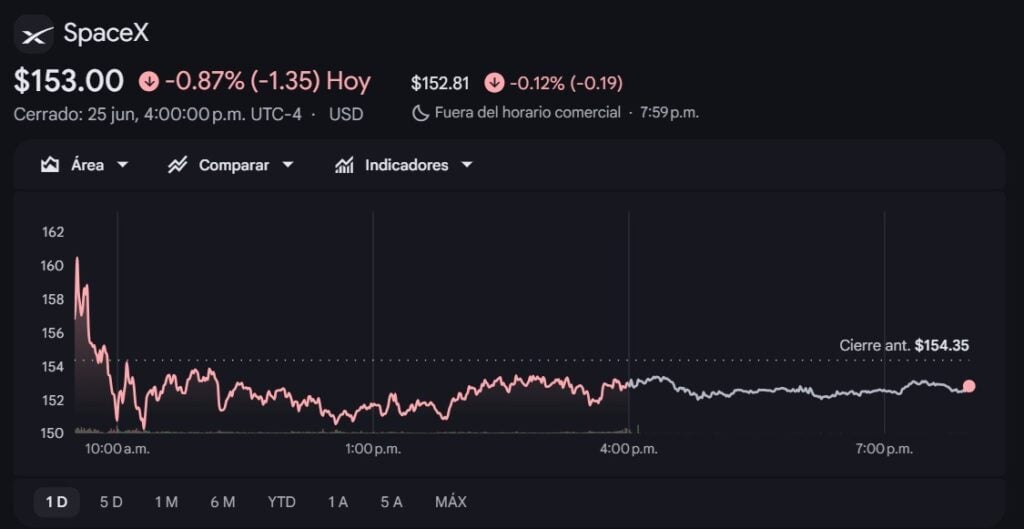
The volatility has made OpenAI’s advisers cautious, warning that retail investors may not show the same enthusiasm for an artificial intelligence (AI) company with less proven revenue and higher operational costs.
The valuation standoff
OpenAI had hired bankers and lawyers with an eye toward a public offering as soon as Q3 or Q4 2026, with Sam Altman pushing for a $1 trillion valuation, up from the company’s last private valuation of $730 billion.
Advisers reportedly presented executives with two options:
- Wait until 2027 for a $1 trillion IPO
- Lower the target for a quicker listing
Altman reportedly insisted that any change to the $1 trillion valuation was a non-starter. The standoff has delayed the timeline, with some associates suggesting a 2027 listing is now the most likely outcome, or even later in 2028.
Broader market and regulatory obstacles
Global markets have been turbulent in recent weeks, with tech stocks dragging down indexes as investors question whether AI companies will live up to their sky-high promises.
OpenAI’s financial challenges (including the $7 billion in losses reported in 2025) have also made advisers cautious.
Separately, the Trump administration has asked OpenAI to stagger the release of its new model, GPT 5.6, over security concerns, with the government “approving access customer by customer” during a limited preview period.


