

Each cycle, it’s the same story. Bitcoin goes into a correction phase of 70-80 percent. People that bought at the top have two choices: panic sell and leave or disappear altogether. The forum dries up; the headlines come up with calling Bitcoin “DEAD.” Then almost in the dark, with nobody looking, this digital asset starts crawling back up again. By the time new highs are hit, everyone is calling it “we’re so back,” becomes enthusiastic, and gets confident and tells all their friends to invest in Bitcoin. People buy high and sell low, not due to the fact that they have less knowledge but because they are ordinary people.
Market moves less on the price and more on the emotions
In every financial market there is a widely accepted rule that states that the sentiment toward an asset moves hand in hand with its price and it is not about the actual value.
Let’s take an example: when Bitcoin is up 300 percent, people call it a safe asset. And in the bear cycle when the asset corrects 70 percent, it feels dangerous. As it goes up without a corresponding improvement in fundamentals, the greater the stretch in valuation. The more it goes into correction, the greater the safety for the buyer.
Only the price chart doesn’t complete the market cycle. It is more of an emotional journey for every market participant and most of them ride it at exactly the wrong timing.
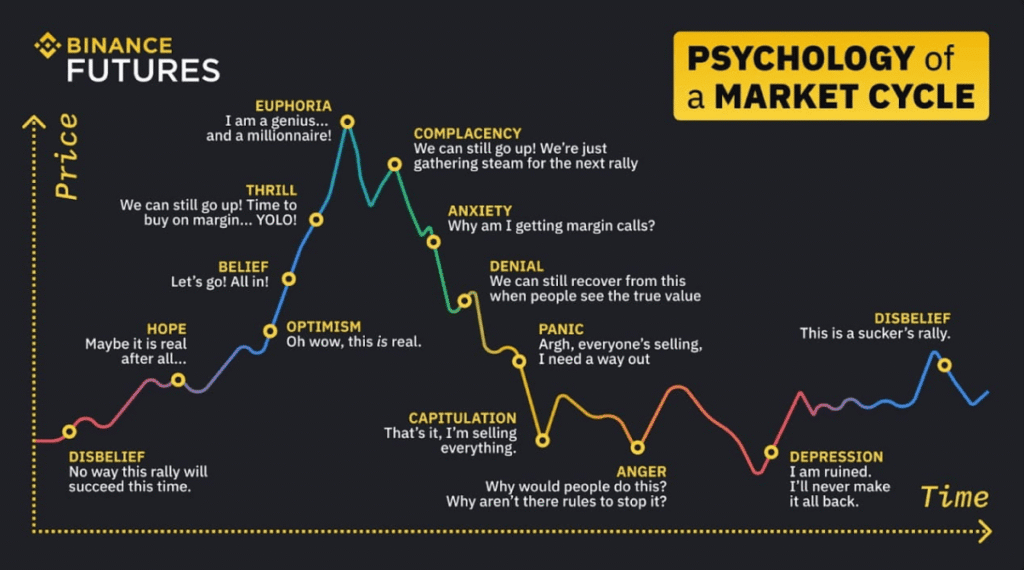
Every cycle follows with the same phases of emotions. The retail habit is to enter when there is excitement or euphoria in the market. They sell it when the market carries panic or goes through a depression phase.
Why the fear is highest at the bottom
The time when bitcoin was going through a long correction for 12 months straight, there were three factors that made it impossible to buy during that time. It is because every headline is more about the negative things that create panic, for example, collapses, scams, or regulation issues
The community went from vocal and positive to silent and negative; those who were enthusiastic six months ago are now going through a feeling of guilt or fury, and the social incentive to be bullish has disappeared completely.
And for anyone who was involved in buying during the past year, the position is at a loss, and with each glance at the price action, the same response is delivered to the brain: that the purchases made by them were an oversight. 12 consecutive months of red candles would appear almost to be a preview for the next 12 months, and in its conclusion, buying the bottom doesn’t just feel like a risk; it feels like extreme-level madness. It feels like they are denying accepting the harsh reality of the crypto market.
The reason behind the euphoria
And then we have the top (which is just the reverse picture). When Bitcoin has been in the pumping stage for 18 months and is at a completely new high, the information context turns 180 degrees. You start hearing about it from the mainstream media; friends at work are asking how to buy it and the individual calling it a scam also appears to buy it. This is all that kicks in the “FOMO (fear of missing out).” When you are looking at something go up without being in it, your mind is thinking that not being in it is a loss, and not being a part of it can feel more odd than buying at the top.
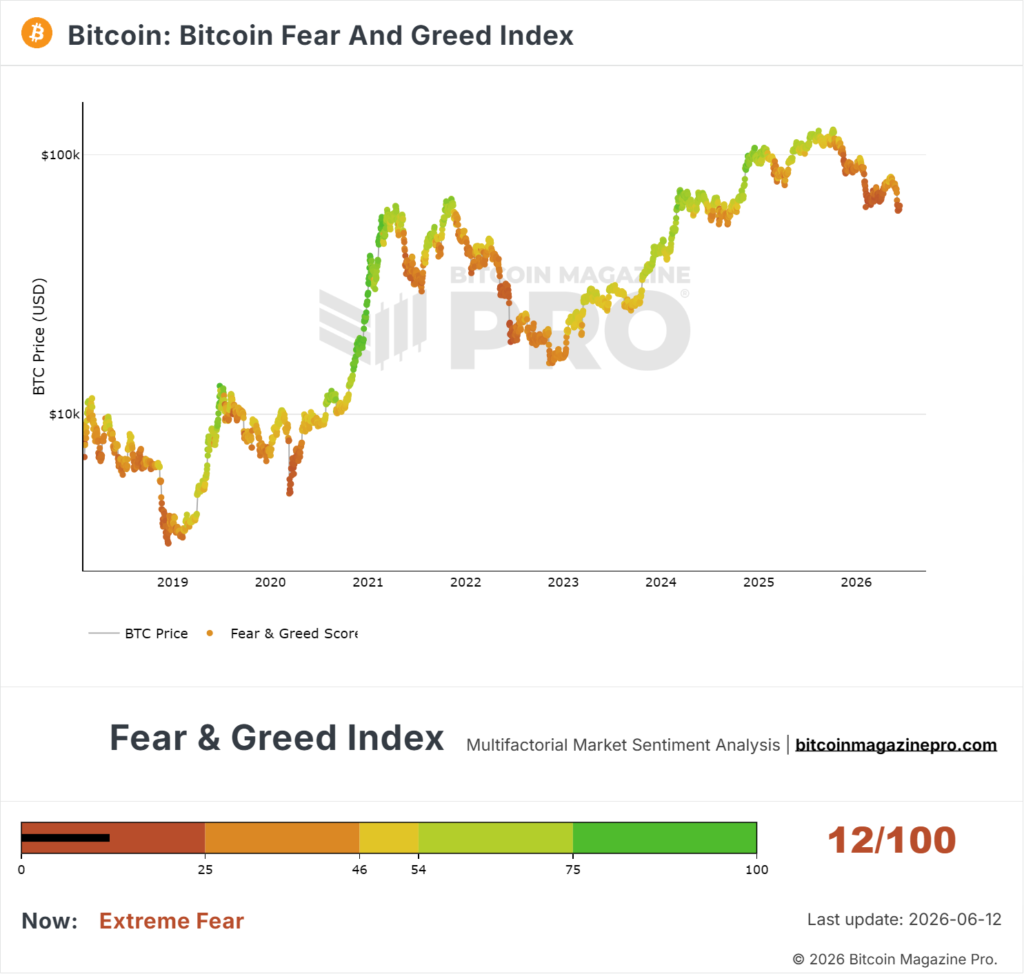
The above-mentioned chart records the value of fear and greed and during the euphoria phase, it ranges between the greed and extreme greed buckets, and this is where most of the retail enter and later blame the technology.
Why the market cycle repeats itself
You would think this trend should stop working. It is public knowledge; it is documented; everyone knows about it. It does not, because Bitcoin cycles are long enough to wear away memory derived from experience.
A cycle is approximately four years, so the same people who felt the anguish of selling the bottom of the 2018 market are not those in charge in 2022. New people flood in on bull markets who are ignorant of what bears feel like and do it again. Knowledge seems clear at placid times but hard to recall when under the psychological strain of a 60 percent drawdown in your portfolio in 14 months. That isn’t a failure of individual intelligence but rather human psychology. This trend as a transfer mechanism from reactive to people in love with value will continue working; it just cannot stop working unless human psychology changes and it will not.