

The Bank of International Settlements (BIS), this week, shared concerns on stablecoins being exploited internationally for bypassing local currency guidelines. The Basel, Switzerland-based global financial watchdog compared the rise of stablecoins as a store of value to the long-standing practice of people holding savings in foreign-based bank accounts. The BIS has termed the practice as “stablecoin dollarization”.
Given that a majority of stablecoins are pegged to the U.S. dollar, the BIS referred to these tokens as “digital dollars”. The agency said stablecoins are making it difficult for the central banks in developing countries to enforce capital controls, because citizens are conveniently turning to convert their fiat savings into USD-based stablecoins and bypass local currency rules.
The BIS published its findings in a report titled, “Dollarisation and monetary control: what lessons for the rise of stablecoins?”
It said that when local prices spike leaving governments and banks in crisis, the number of people turning to stablecoins has risen, as they look to shield their savings failing local currencies. While foreign back accounts still leave known traces, stablecoins issued by private players like Tether and Circle, offer transaction privacy letting people escape traditional financial surveillence.
Source: BIS
The BIS further pointed out that while traditional bank controls can stop people from holding regular foreign cash, they are failing to stop stablecoins. It is concernworthy, as per the report, because historically using foreign money leads to higher inflation.
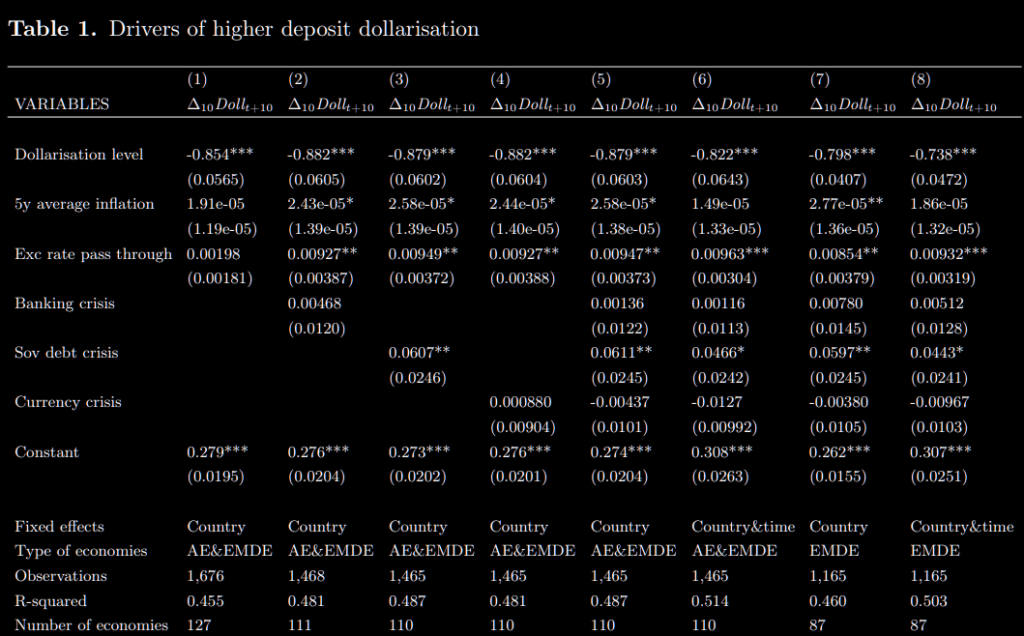
“Drawing on data on foreign currency deposits and dollar-pegged stablecoin inflows for more than 130 economies we document that historical deposit dollarisation and recent stablecoin flows are both associated with similar macro-financial drivers, including the strength of exchange rate pass-through and sovereign or banking crises,” the report noted.
Stablecoin dollarization is as hard to reverse as deposit dollarization once established. The BIS said since tablecoins operate outside normal government regulation, they are being viewed as easy escapes for people looking to dodge currency limits.
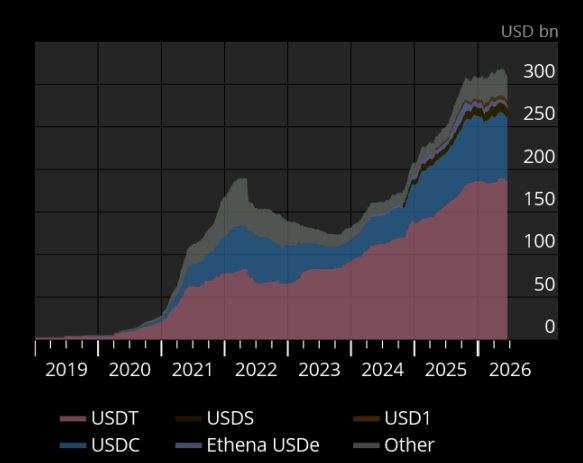
This utility, the report said, is among key factors driving up stablecoin holdings internationally.
Source: BIS
Given its findings, the BIS has called for stricter regulatory restrictions on foreign currency deposits being allowed into stablecoins — a key policy gap left unaddressed by comprehensive regulations like U.S.’ GENIUS Act as well as EU’s MiCA.
This week, Binance released a report claiming that stablecoin balances from the MENA region on the platform have doubled by 100 percent in the last one year. The research also pointed out that globally, 30 percent of users hold more than half of their portfolios in stablecoins, compared with just four percent in 2020.
Meanwhile, the U.S. and the U.K. are now considering to make stablecoins a legitimate part of cross-border settlement options because of their speed, cost-efficiency, and non-reliability on bank timings as well as holidays.