



U.S. employers announced 97,006 job cuts in May 2026, a clear jump from the previous month and another sign that cracks may be forming in the labor market.
According to the official release from Thursday, the total number of job cuts is roughly 16 percent higher than April’s 83,387 layoffs. The numbers point to a situation where companies are not just trimming costs occasionally, but increasingly taking more aggressive steps to reduce headcount.
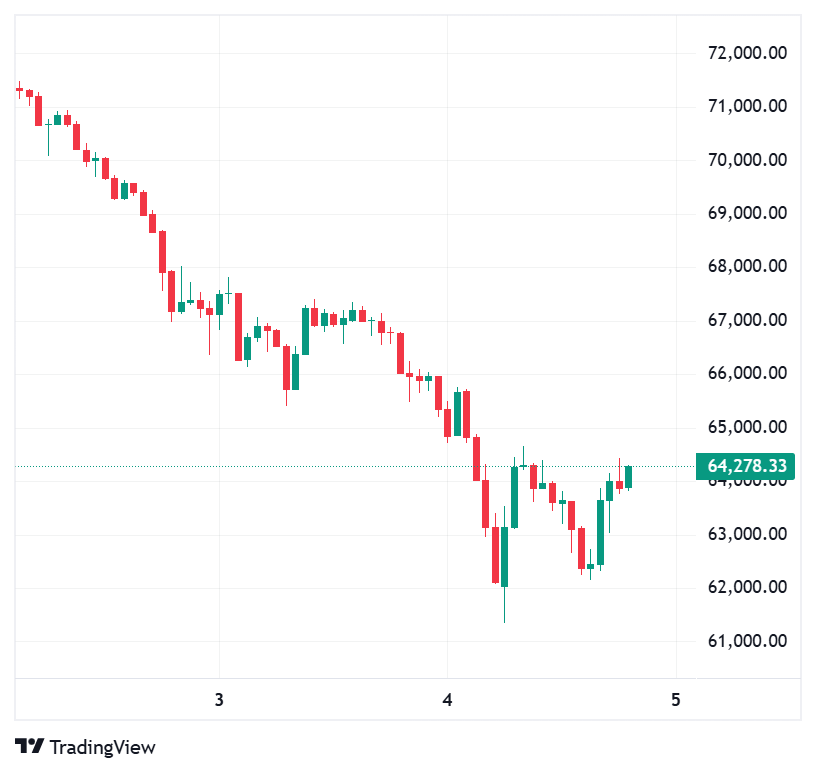
The report gives an idea of how the Fed might progress on the rate cut trajectory in the future. With a hope that the Fed might soon embark on a rate cut trajectory, the crypto market saw a slight rise. Bitcoin price rose 0.3 percent in the past hour.
Tech sector drives layoffs
The tech industry has been hit hard in recent weeks with mass layoffs. Companies are turning to automation, artificial intelligence and restructurings to make them more efficient, meaning they need fewer workers.
The change is good for long-term productivity and profits, but not in the short-term. Jobs are lost, especially on the lower end of the pay scale, where tasks can be done by machines or software.
The problem now is not technology, it is the implications of these cuts for the entire economy. Usually, when job cuts happen, it shows businesses are getting wary – expecting slower sales, tougher borrowing, or unsure how well the economy will grow.
When layoffs start piling up, it usually means firms aren’t confident in economic prospects.
During these periods, the Fed really keeps an eye on these trends, considering their moves regarding interest rates. It’s a tough balance for them – trying to control inflation while keeping jobs steady.
Until now, a relatively strong job market has given policymakers room to keep rates higher for longer. But if layoffs continue to rise, that balance starts to shift.
How is the report related to the Fed rate decision?
The weaker the labour market, the less the need for higher wages. Fewer job openings and slower hiring take some heat off employers to raise wages. That also helps bring down inflation over time.
If the trend continues, it could bolster the case for the Federal Reserve to consider rate cuts in the coming months to stimulate economic activity and prevent a more severe slowdown.
One month of data is unlikely to trigger a reaction from policymakers. The Fed generally seeks broader confirmation from a range of indicators including unemployment claims, hiring trends, wage growth and consumer spending.
An uptick in layoffs is not necessarily a sign of doom. That said, the timing of the rise matters. The job cut data adds to the pressure on the Fed to acknowledge weakening conditions sooner rather than later as recession worries re-enter the conversation, and financial markets are very sensitive to any signs of growth slowing.
If that trend persists over the next few months it could be a leading indicator of how aggressively the Federal Reserve will move on interest rates for the rest of 2026, with the potential to set the stage for a more dovish policy shift if the labour market loosens further.
What is in the crypto market?
Jobs data and Bitcoin prices are closely linked; they both depend on expectations about monetary policy and global liquidity. In the U.S., Non-Farm Payroll reports really show how the economy is doing.
Good job numbers suggest a strong economy, which can push up inflation and make rate cuts less probable. If jobs numbers are weak, though, it hints at slower growth, boosting hopes for rate cuts to give the economy a boost.
The back and forth over rates is key, since interest rates shape market liquidity. As experts put it, “Lower rate expectations bring more liquidity and a higher appetite for risks. Often, that steers investors toward stuff like Bitcoin.”
Yet, should rates stay high, there’ll be less liquidity, and crypto could get sold off. So, in sum, Bitcoin feels the pulse of jobs news via its impact on rates and market liquidity.


