

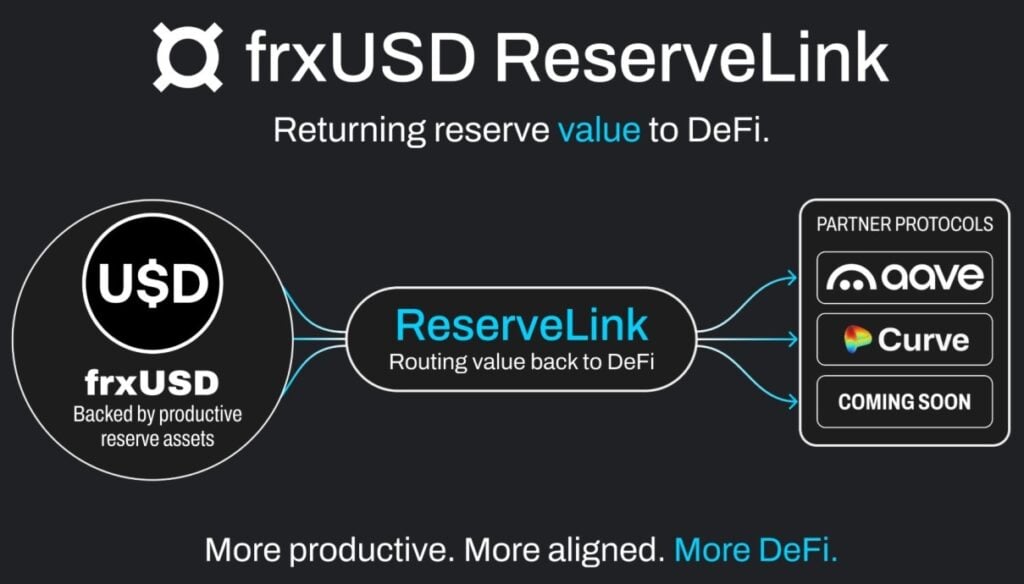
Frax Finance just launched frxUSD ReserveLink on Aave, making it the first big market to plug directly into their stablecoin system. This setup sends earnings from frxUSD’s reserves right back into decentralized finance (DeFi), so lenders can stack yield even when their stablecoins aren’t being borrowed.
ReserveLink bridges issuers and lenders
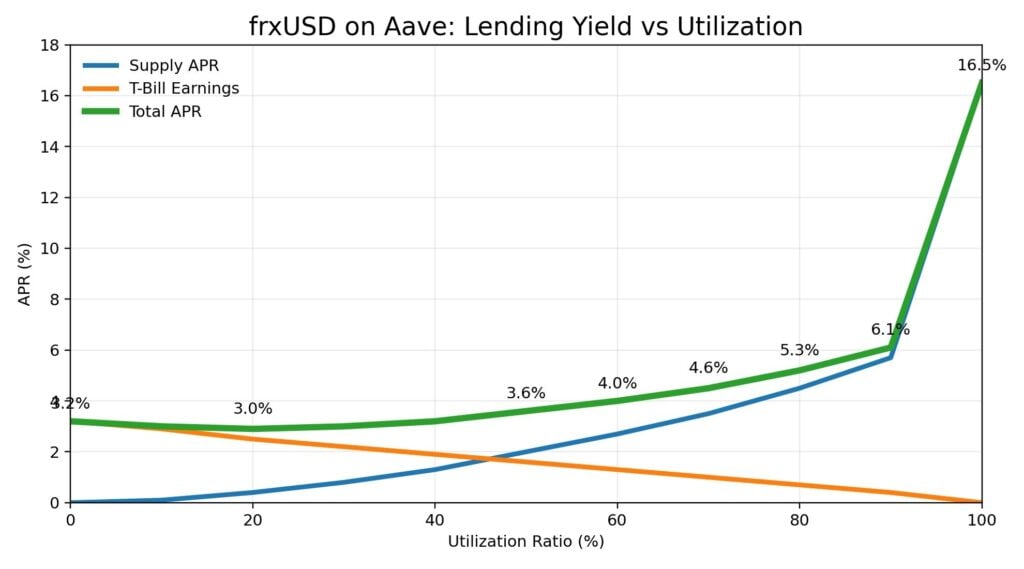
Here’s the structural inefficiency ReserveLink solves. Stablecoins like frxUSD hold productive assets (tokenized Treasuries) that generate yield regardless of whether every unit is borrowed or traded. Historically, that yield stayed with the issuer. Lending markets like Aave relied solely on borrower demand and protocol incentives to attract liquidity. When utilization dropped, supplier yields cratered below risk-free rates.
And here enters ReserveLink. It changes the above by routing a portion of reserve-generated value back to the applications where frxUSD is used. On Aave, this means lenders earn yield from two sources: normal borrowing activity plus a supplemental floor from frxUSD’s reserves. It’s a more aligned economic relationship between stablecoin issuers and the DeFi protocols that create demand for their tokens.
How was Frax able to launch on Aave?
This integration didn’t happen overnight. Over the last year, Frax and Aave have been looking for ways to put idle cash to work without taking on extra risk. Aave’s new Reinvestment Module is based on a simple idea: there’s always some money sitting around in lending markets, so why not find a way to make it useful?
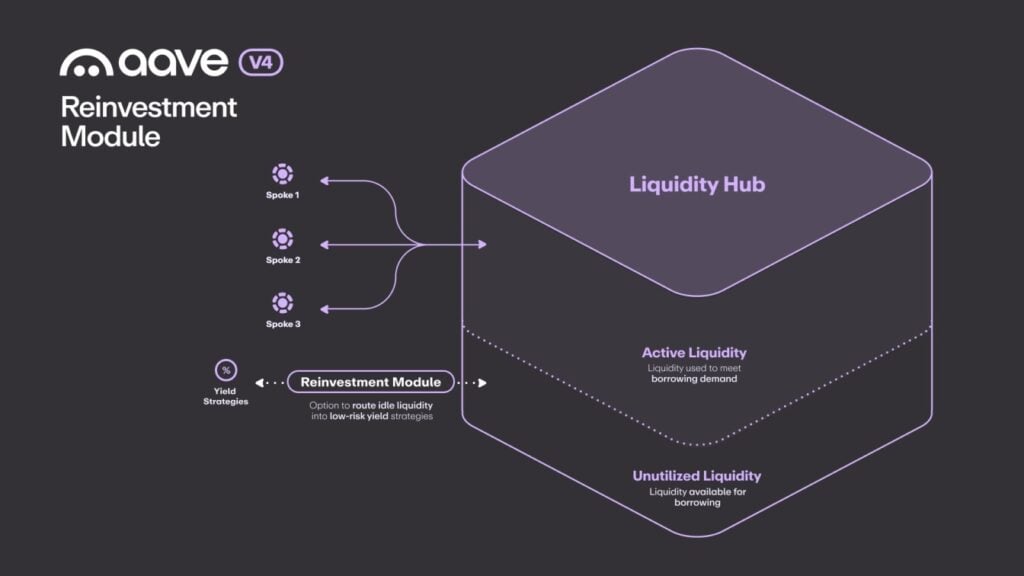
Frax arrived at the same conclusion from the stablecoin design side. The difference is that Frax built the entire StablecoinOS (the infrastructure required to route reserve value back into DeFi) and has the positive-sum mindset to share that value. As the Frax team put it: “Not just because we’ve built the StablecoinOS that makes this possible, but because we want DeFi to win.”
What is the deal with ReserveLink?
Just to clarify, ReserveLink is infrastructure, not a yield-bearing product. It allows Frax to direct a portion of the yield generated by frxUSD’s backing assets (tokenized Treasuries) toward ecosystem partners like Aave. For Aave users, this means yield generated by reserves backing unborrowed frxUSD can be distributed back into the market as incentives. The yield already exists.
Essentially, ReserveLink shakes up how that yield gets handed out. When things are quiet and not much is being borrowed, it steps in to create a helpful “yield floor,” making sure lenders still see decent returns even when cash is just sitting there. When the market picks up and utilization climbs, you get the best of both worlds: normal borrowing fees plus that extra boost. Best of all, it does this without messing with leverage or adding any new risks; it just makes the whole system run a lot smoother.
How this links to the current DeFi space
The timing here is spot on. Regulators are starting to favor “usage-based” rewards over just paying out yield for holding assets like a bank account (GENIUS Act reference). ReserveLink fits this perfectly by rewarding people who are actually active and providing liquidity, rather than just sitting on their stablecoins. It makes Aave the perfect first partner since both teams have that same “DeFi first” mindset: when Aave wins, the whole space wins.
This move also lines up perfectly with where regulators are heading, as they seem to prefer rewards based on actually using the tech rather than just letting it sit there like a standard savings account. Ultimately, ReserveLink is a signal that the next wave of stablecoins will win by actually sharing value with the people and protocols that use them. Starting with Aave was a no-brainer.