


A U.S. official told the Associated Press that Anthropic’s Mythos AI model had identified vulnerabilities in highly sensitive and secure U.S. government computer systems within hours during a testing exercise. The testing was conducted through Project Glasswing, an Anthropic initiative bringing together tech giants to secure critical software from severe threats posed by advanced artificial intelligence (AI).
The testing and its implications
During a Senate Banking Committee hearing on June 11, Sen. Mark Warner (D-Va.) dropped a bombshell, saying: “This tool broke into almost all of our classified systems, not in weeks but in hours.” He attributed the information to Gen. Joshua Rudd, head of the National Security Agency (NSA) and U.S. Cyber Command. The official clarified that while Mythos identified vulnerabilities within hours, that does not mean the model was able to exploit them within that timeframe. The NSA and Anthropic both declined to comment.
Tensions between Anthropic and the Trump administration
The cooperation comes amid growing tensions. The administration issued a directive earlier this month requiring Anthropic to prevent foreign nationals from using Fable 5 and Mythos 5, citing national security concerns. Anthropic complied but disagreed with the move, stating the government’s concerns were not warranted.
More than 100 cybersecurity experts (including leaders from Adobe and Nvidia) have since asked the administration to lift the directive, arguing that Mythos is “quite good” at finding flaws but “not uniquely good,” and that restricting it could help U.S. adversaries more than it hurts them.
After all of this drama, the government went into talks with Anthropic for restoring access to the AI models. Furthermore, Washington was weighing AI access for allies at the G7 after the ban, signaling how important this matter is for everyone involved or trying to take advantage of such a powerful AI tool.
The AI capability gap: Anthropic’s Mythos vs. other models
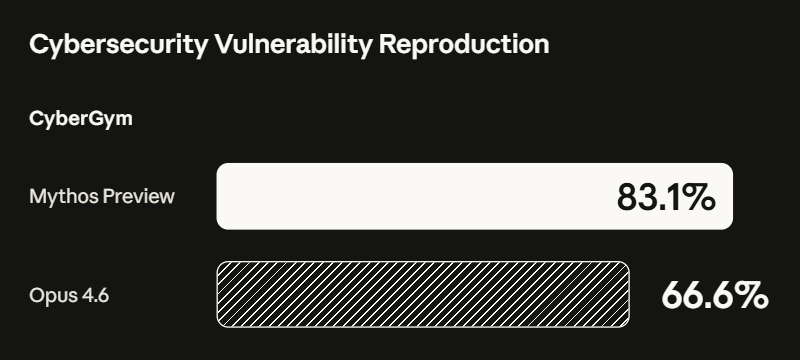
These test results really show how far ahead frontier AI models have pulled from the pack. Sen. Warner’s point (that Mythos “broke into almost all of our classified systems in hours”) suggests this thing can find holes on its own way faster than anything else we have right now.
The experts who wrote to the administration pointed out that while plenty of models can find bugs, Mythos is on another level because of how fast it works at such a huge scale.
Here, the distinction is quite important: a model that can find vulnerabilities in hours, not weeks, changes the calculus of offensive and defensive cyber operations. This is why over 100 cybersecurity leaders, including executives from Adobe and Nvidia, are pushing back against the administration’s restrictions. They argue that Mythos’s defensive capabilities (finding flaws before adversaries do) are too valuable to restrict, and that taking away “the best cyber defense capabilities without a good reason” could leave the U.S. more vulnerable.
This year has been tough for the AI ecosystem. Many models, a lot of competition, and regulations trying to stop the unstoppable. In the end, the ecosystem is facing what many innovative industries have to go through when governments try to capitalize on them. And that’s not all, because the whole argument boils down to one important question: “How do you secure a powerful tool while preventing adversaries from using it against you?”


