
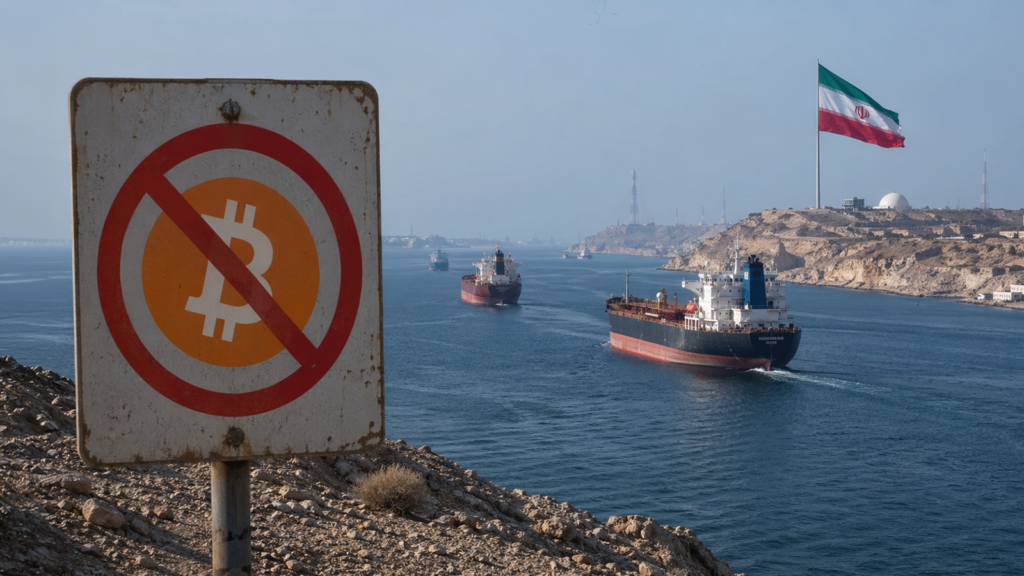



The Iranian authorities have denied reports indicating that the country was levying fees in cryptocurrencies to the ships transiting the Strait of Hormuz, refuting the earlier allegations about ill intentions on their part.
Despite the emergence of new fees for transport in times of war, the money is currently being collected using traditional methods rather than crypto-currency payments.
This situation has contributed to increased confusion in international logistics and energy markets since the Strait of Hormuz is one of the busiest places of commercial activity in the world for oil and cargo transport.

Even speculations about unusual financial transactions can cause concern among firms and investors depending on reliable transportation services.
Iran state media clarifies confusion
A state-affiliated news agency from Iran is refuting speculations about its government starting to collect transit fees in cryptocurrencies for vessels transiting through the Strait of Hormuz.
The refutation, made in Fars News Agency on April 23, has come after weeks of rumors circulating within the financial sector about the start by the Islamic Revolutionary Guard Corps of using payments in cryptocurrencies such as Bitcoin or other stable coins by oil tankers under the U.S.-mediated ceasefire.
This comes after the Iranian authorities were accused of planning to charge maritime transit fees for each barrel of oil, ranging from $1, to shipping companies.
While it remains unclear whether or not crypto payments have been officially used, some security analysts in the maritime industry point to an increased risk of fraudulent activities.
Scammers pose as Iranian officials
Greece-based risk advisory company said that unknown parties had been sending out phishing emails targeting shipowners stuck near the Strait, pretending to be Iranian authorities requesting cryptocurrency payments such as Tether for safe passage.
However, the company emphasized that these communications were a scam and did not emanate from an official source, although confusion might have caused problems for vessels trying to leave the area.
There’s much at stake, considering that the Strait of Hormuz typically sees around one-fifth of the world’s oil and liquefied natural gas transported through it, which makes changes to the transit fee policy a major concern for governments, regulatory bodies, and financial institutions. Experts predict that the introduction of such a system could earn Iran billions of dollars per year, provided that shipping activity resumes close to its pre-conflict pace.
Blockchain forensics companies have observed that Iran tends to use stable coins such as Tether on the Tron blockchain to sidestep financial sanctions.
According to market analysts, however, at this point in time Iran seems keen on imposing transit fees and adopting alternative means of settling the bill, such as yuan or cryptocurrencies, but insists that no official system involving cryptocurrencies currently exists.